

Caring for your new lawn
Your care timeline
Exactly what to do from the day your turf goes down through to a lawn that looks after itself. Tap a stage to expand it.
Step 1: The first two weeks
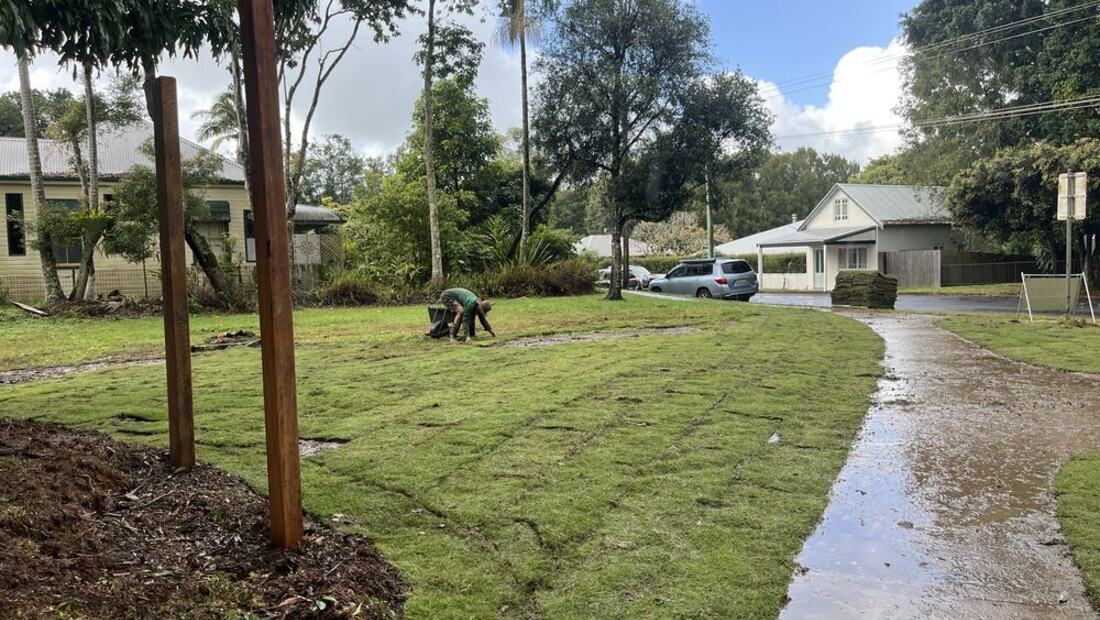
Water every day, ideally early in the morning, keeping the root zone moist but never swampy. In hot or windy weather split it into a morning and afternoon drink. Stay off the lawn completely if you can, new roots tear easily and this is when the turf is most vulnerable.
Step 2: Weeks three to four
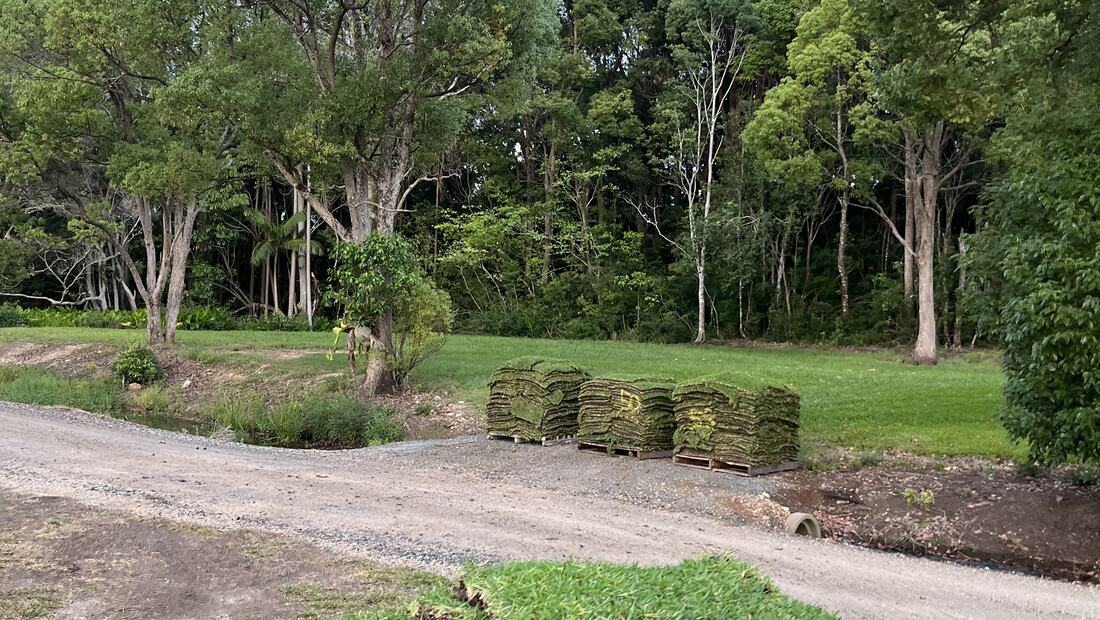
Cut watering back to every second day. Slight yellowing along joins and corners is normal at this stage, the edges dry out first while the slabs knit together and it greens up on its own. If whole slabs are browning rather than just the joins, that is a thirst signal, water more rather than less.
Step 3: The first mow
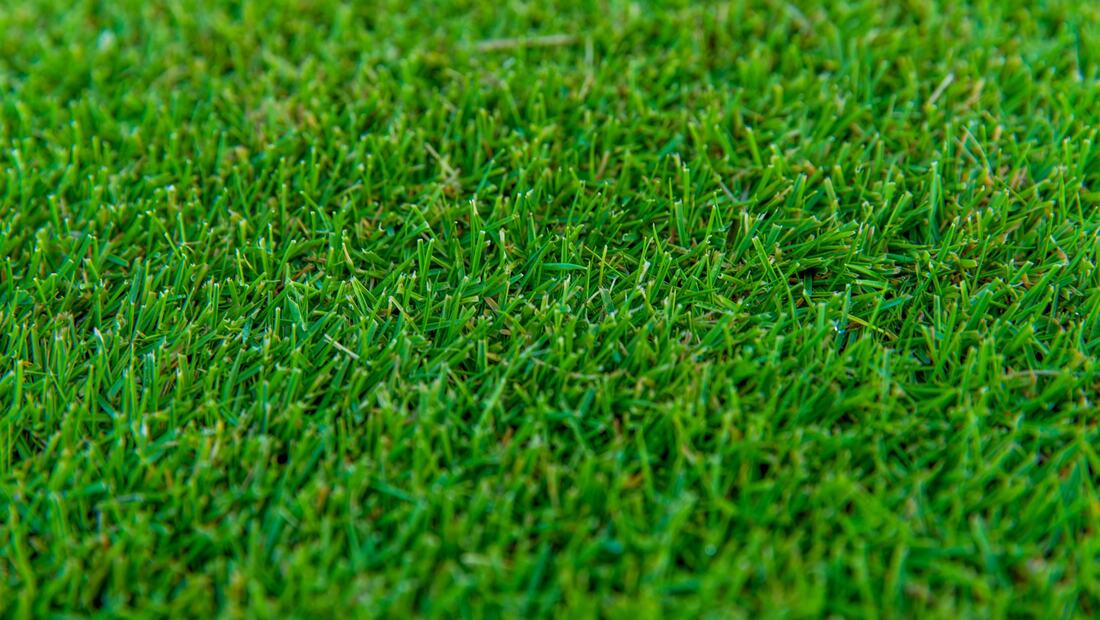
Around week four, gently lift a corner of a slab. If it resists, the roots have taken and it is safe to mow. Use sharp blades, catch the clippings and mow a step higher than you normally would, then bring the height down gradually over the next few cuts. Never remove more than a third of the leaf in a single mow.
Step 4: Weeks four to six
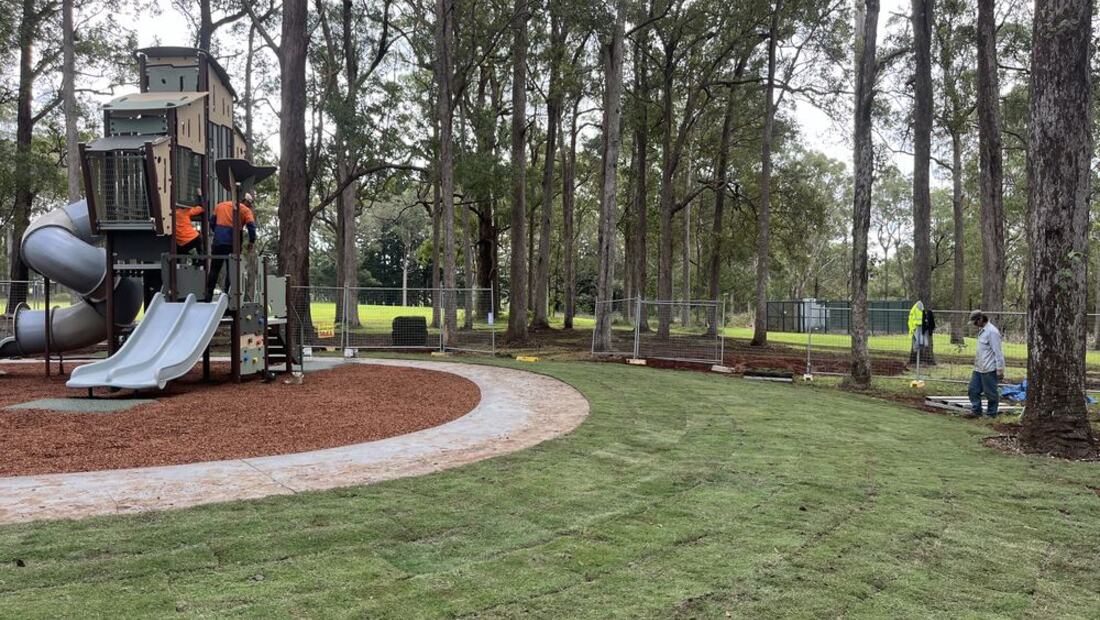
Drop to watering twice a week while the lawn finishes establishing. Keep mowing regularly now that the roots have anchored, frequent light cuts thicken the lawn up and help it out-compete weeds from day one.
Step 5: Week six, the first feed
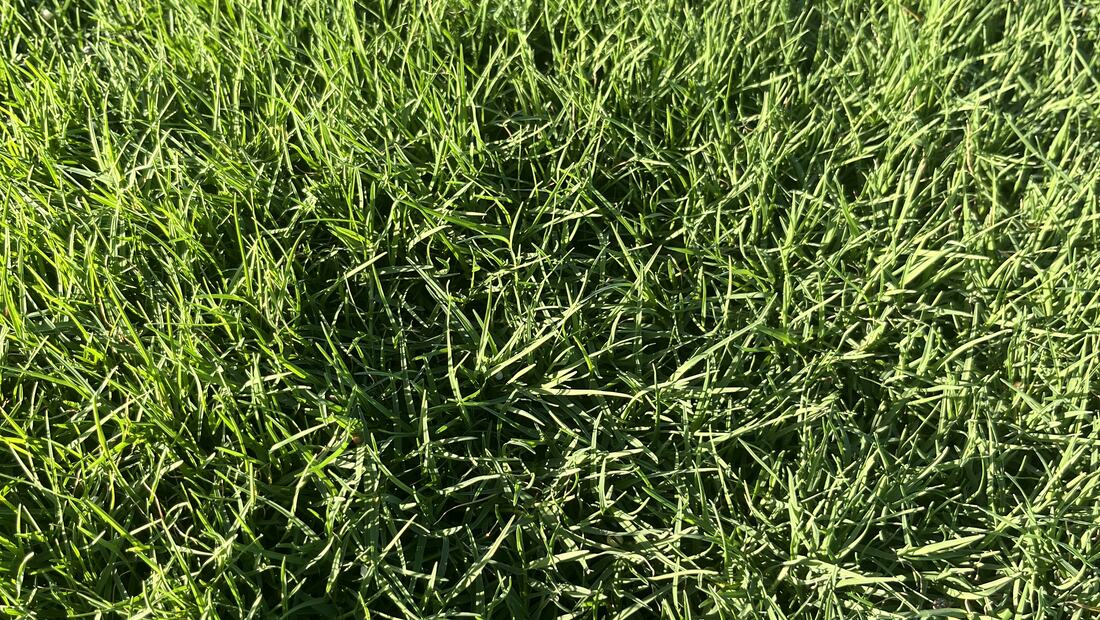
Once establishment is complete, apply a balanced slow release fertiliser at the rate on the bag and water it in thoroughly. This first feed sets up the colour and density of the lawn for the whole season ahead.
Step 6: Ongoing care

Mow at the height that suits your variety, the chart below has the ranges. Fertilise every 8 to 10 weeks through the growing season and water deeply but less often, deep soaks train the roots down and make the lawn far more drought tolerant than frequent light sprinkles.
Step 7: Through winter
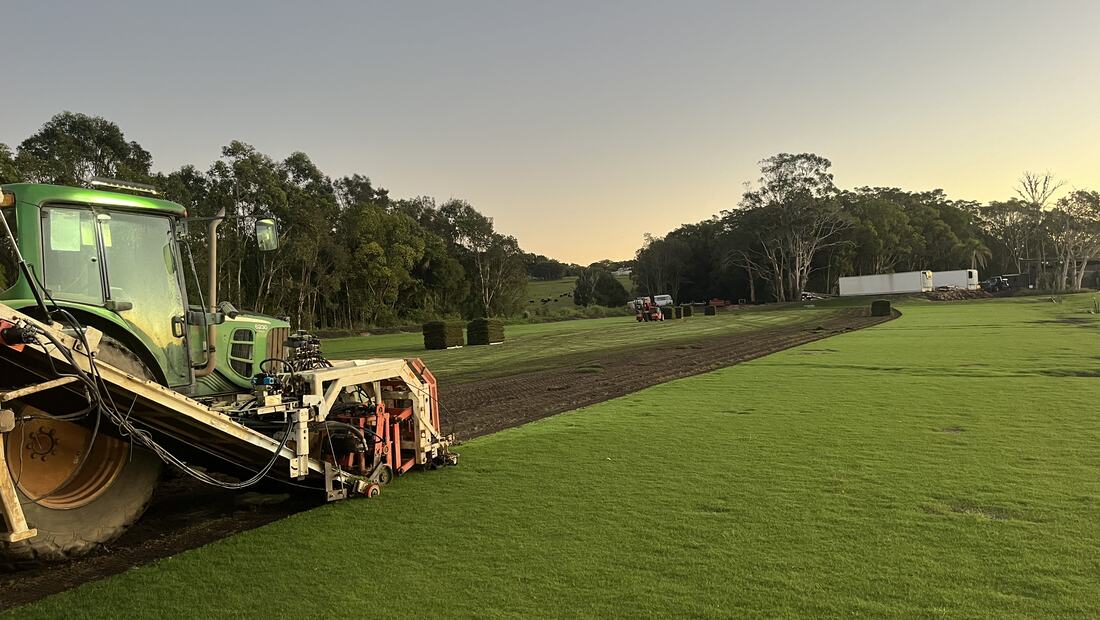
Warm season lawns slow right down over the cooler months. Raise the mowing height a notch, stretch the time between mows and ease right off the watering. Most varieties need very little input until things warm up again in spring.
Mowing height by variety
Every variety has a sweet spot. As a rule of thumb, stay inside these ranges and never take more than a third of the leaf in one cut.
TifTuf Bermuda
10 to 30mm Loves a short, frequent cutSir Walter DNA Certified
35 to 60mm Keep it higher in shadeSir Grange Zoysia
10 to 50mm Very forgiving, happy cut tight or left plushNullarbor Couch
15 to 30mm Low and frequent keeps it denseZoysia Australis
20 to 45mm Slow grower, mow less oftenStampede Hybrid Buffalo
20 to 50mm The new buffalo, available this springWhat to watch for
Curling, thinning or discoloured leaf tips are usually the first sign your lawn needs more water. Address it early, before it browns off completely.
Yellowing or thinning in patches usually means uneven watering, check your sprinkler coverage before reaching for fertiliser.
If your lawn suddenly sends up a lot of seed heads, it's often a stress signal that it's hungry, thirsty, or both.
A general lack of vigour is often just under-feeding. Most lawns need fertilising more than once a year, even our lowest-maintenance varieties.
Chewed or dead patches with birds digging at the lawn are a common sign of lawn grubs. Give us a call if you're not sure what you're looking at.
Ready for your new lawn?
Free on-site quote. We respond to enquiries within one business day.
Get a free quote